


 Matric Group
PCB Thermal Management Tips for High-Reliability Electronics
 Matric Group : Jul 18, 2022
Here’s how to reduce heat in PCB designs and be known as a maker of trustworthy, long-lasting products
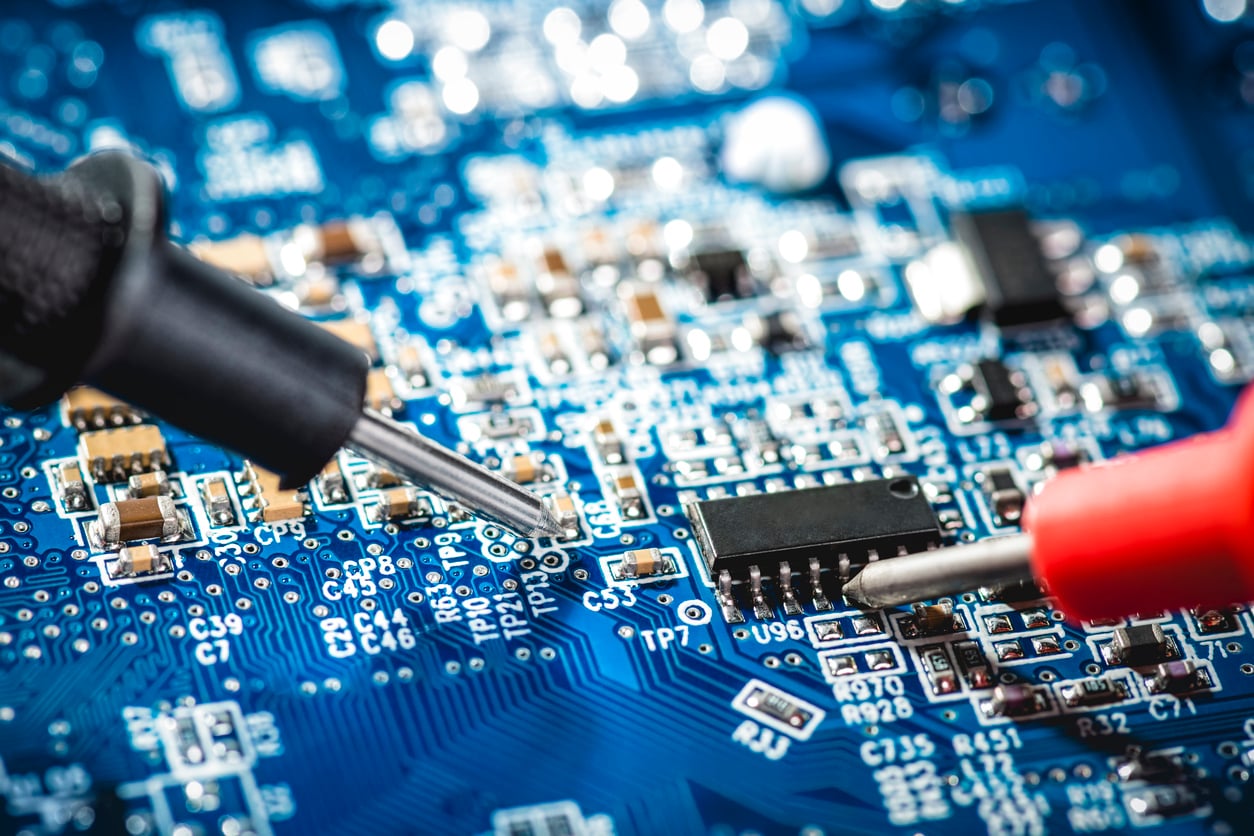
OEMs often rely on electronic products and systems that remain in service for many years. Over time, however, these systems can become increasingly difficult and expensive to maintain.
Components go obsolete, failures become routine, and support costs rise.
When electronics begin to fail, industrial OEMs are often faced with a critical question: Should the product be repaired, remanufactured, or redesigned?
The decision is rarely straightforward. Choosing the wrong approach can increase downtime, cost, and long-term risk. Choosing the right one can extend product life and protect future margins.
A structured evaluation helps OEMs identify the most effective option before committing to a costly redesign or an unreliable repair cycle.
When an electronic assembly fails, or when a product becomes too costly to support, OEMs typically have three options. Each represents a different level of effort and long-term impact.
|
PCB Repair |
PCB Remanufacture |
PCB Redesign |
|
|
Goal |
Restore function quickly |
Extend product life with repeatable replacement |
Modernize for long-term future use |
|
Best For |
Isolated failures, short-term needs |
Obsolete parts, ongoing legacy demand |
New requirements, full-blown obsolescence |
|
Scope of Work |
Component-level fixes |
Rebuild boards (form-fit-function) |
Full circuit and layout re-architecture |
|
Lead Time |
Fastest |
Moderate |
Longest |
|
Up-Front Cost |
Lowest |
Medium |
Highest |
|
Reliability |
Variable |
High when validated |
Highest, depending on scope |
|
Typical Outcome |
Short-term recovery |
Sustainable support path |
Next-generation platform |
PCB repair is often the fastest and most direct option. It focuses on identifying and replacing failed components to restore functionality.
Repair works best for isolated failures when replacement parts are still available and short-term support is the primary goal. Over time, however, repair may become less effective if failures repeat or if component obsolescence limits future serviceability.
PCB remanufacturing goes beyond fixing a single failed board. It involves recreating or reproducing an existing PCB design with updated processes or approved component substitutions.
This approach is especially valuable when demand continues but original boards can no longer be sourced. Remanufacturing extends product life while maintaining form, fit, and function – without requiring a full redesign.
PCB redesign is the most comprehensive option and is typically pursued when repair or remanufacture is no longer viable. Redesign may be required to address widespread obsolescence, improve performance, or meet new compliance standards.
Because it involves re-architecting the circuit and layout, redesign carries higher cost, longer timelines, and additional validation requirements. In return, you’ll get the most future-proof solution.
Choosing the right path requires evaluating more than technical feasibility.
Repair is usually the lowest-cost option up-front, but repeated repairs can become expensive over time. Remanufacturing requires more investment but often provides longer-term stability. Redesign is typically the most costly due to engineering, qualification, and testing needs.
The remaining service life of the product matters. If support is only needed briefly, repair may be sufficient. If systems must remain operational for years, remanufacture or redesign may offer better long-term value.
Repair may restore function but not eliminate underlying issues. Remanufacture improves repeatability and sourcing control. Redesign offers the greatest opportunity for modernization but introduces qualification risk.
Repair is often quickest. Remanufacture takes longer but provides repeatable replacement capability. Redesign can require significant lead time, especially when PCB prototyping and validation are involved.
Regulated industries may face additional constraints. Redesign often triggers re-qualification, while remanufacture may preserve compliance by maintaining functional consistency.
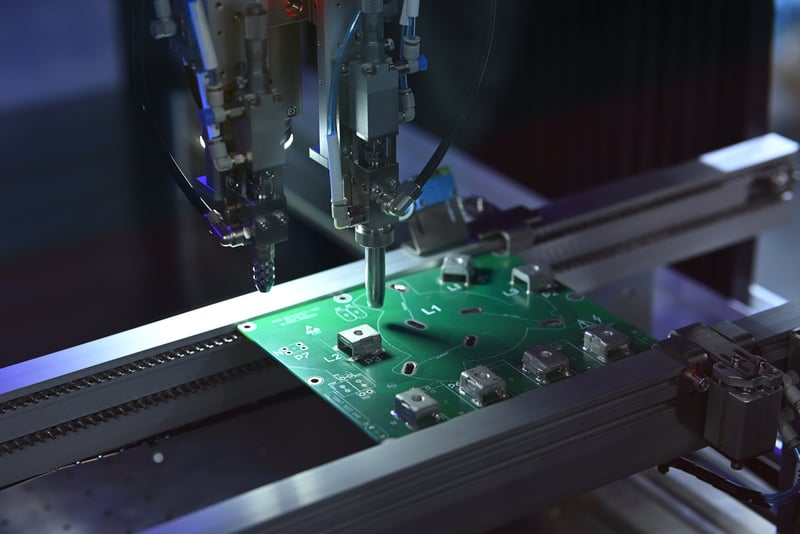
Different industries tend to favor different paths. Their choice most often depends on reliability requirements, regulatory oversight, and product lifespan.
Repair is most common in industries where immediate uptime is critical and the product is nearing end-of-life.
Repair is frequently seen in:
Remanufacture is often the preferred approach when OEMs need to support legacy products for many more years but want to avoid the cost and disruption of redesign.
This method is especially common in:
Remanufacturing helps maintain compatibility while managing obsolescence.
Redesign is typically required when performance requirements change, compliance standards evolve, or obsolescence is too widespread for remanufacture.
Redesign is more common in:
Choosing between repair, remanufacture, and redesign is rarely simple. Accurately assessing failure modes, sourcing risk, documentation gaps, and life cycle goals requires engineering expertise.
OEMs that default too quickly to redesign may incur unnecessary cost and delay. Those that rely on repeated repairs may face ongoing downtime and unpredictable failures.
An engineering-led evaluation supports data-driven decisions across all three paths.
Repair, remanufacture, and redesign of industrial PCBs each serve different needs within the electronics life cycle. The right choice depends on cost, risk tolerance, longevity, compliance requirements, and business goals.
With the right technical evaluation, OEMs can make sustainable decisions that protect both product performance and future margins.
 Matric Group : Jul 18, 2022
Here’s how to reduce heat in PCB designs and be known as a maker of trustworthy, long-lasting products
 Matric Group : Sep 13, 2019
Prototyping is just as important to electronics manufacturing as designing, engineering, and testing. OEMs should prototype a PCB for these 7 reasons:
 Matric Group : Oct 28, 2022
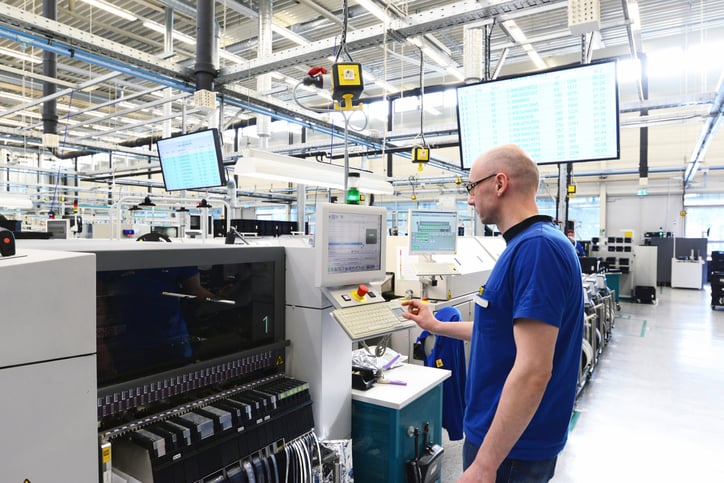
The Surface Mount Technology (SMT) line provides better first run-yield and increases on-time delivery. Read more about the SMT Production line here: